


Introduction
Cartilage damage is a common problem that can cause pain and limit movement, leading many to seek effective treatments. ChondroFiller has emerged as a modern option aimed at helping repair damaged cartilage and restore joint function. However, online information about this treatment often includes inflated claims and misunderstandings. This article aims to clear up the confusion by explaining what ChondroFiller really is, exploring the scientific evidence behind it, and outlining its realistic benefits and limitations. Insights from leading orthopaedic experts, including Professor Paul Lee from the London Cartilage Clinic, help ground this discussion in real-world experience.
What Exactly Is ChondroFiller?
It’s important to get the facts straight: ChondroFiller is not “liquid stem cells” nor just a simple injection of hyaluronic acid, which some people mistakenly believe. Instead, it is a liquid scaffold made from type I collagen, a natural protein found in the body. Think of it as a three-dimensional framework designed to support and encourage the body’s own repair cells to grow new cartilage where damage has occurred.
This scaffold is acellular, meaning it does not contain any living cells itself. Instead, it acts as a supportive environment where the patient’s cells can migrate, settle, and gradually form new cartilage tissue. It’s a promising tool— but not a magic wand— and is best used as part of a carefully planned treatment approach.
Professor Paul Lee, founder of the London Cartilage Clinic and a specialist in cartilage repair, stresses the importance of expert care when using such treatments to ensure they are applied effectively and safely.
The Science Behind ChondroFiller: What Does the Evidence Say?
ChondroFiller is backed by more than ten years of clinical use and scientific research. This sets it apart from some newer treatments that may lack strong evidence. Unlike stem cell therapies, which involve injecting living cells, or simple injections that mainly relieve symptoms, ChondroFiller works by creating a supportive scaffold within the cartilage defect.
Research, including a controlled multicentre study, found that “the ChondroFiller liquid method is a safe and simple workable method” (Schneider, 2016). Patients showed meaningful improvements in knee function, and MRI scans over time demonstrated that the scaffold was well integrated into the cartilage, with “impressive maturation of the reconstructed cartilage” and no reported adverse effects.
Further studies have confirmed similar benefits in the hip joint. One study of patients with hip cartilage damage related to femoroacetabular impingement—a condition causing joint pain and stiffness—reported “a significant improvement... in all parameters assessed” over two years, with high patient satisfaction and clinical scores (De Lucas Villarrubi et al., 2021).
It’s worth noting that effective delivery of ChondroFiller during minimally invasive surgery requires skill. As surgeons have explained, “the distance between the tip of the needle and the area to be filled should be minimal” to ensure the scaffold fully covers the defect and is not lost within the joint (Perez-Carro et al., 2021). This detail emphasises the importance of surgical expertise alongside innovative technology.
Free non-medical discussion
Not sure what to do next?
Information only · No medical advice or diagnosis.
Common Myths and Setting Realistic Expectations
Despite encouraging research, ChondroFiller is sometimes surrounded by myths that can mislead patients.
One common myth is that it provides instant or complete cartilage repair. In truth, cartilage regeneration is a slow, complex process. Results depend on many factors including the size and location of the damaged area, the patient's overall joint health, and commitment to following rehabilitation protocols.
Another misunderstanding is that it’s suitable for everyone with cartilage damage. In reality, ChondroFiller is best for specific cases—usually isolated, moderate-sized defects—and is not appropriate for advanced arthritis or unstable joints. The hip study highlights this by demonstrating good results in carefully selected patients with particular types of cartilage lesions (De Lucas Villarrubi et al., 2021).
Professor Lee also emphasises that ChondroFiller is just one part of a broader treatment plan. It often works best alongside biologic therapies and a personalised rehabilitation programme. While it reduces some risks compared to older treatments, no intervention can guarantee perfect results or eliminate all risks.

Who Can Benefit from ChondroFiller? What Does Treatment Involve?
Not everyone with cartilage damage is a candidate for ChondroFiller. Ideal patients generally have a focused defect up to about 6 cm² without widespread arthritis or joint deformity. Those who continue to experience symptoms despite conservative treatments may be considered.
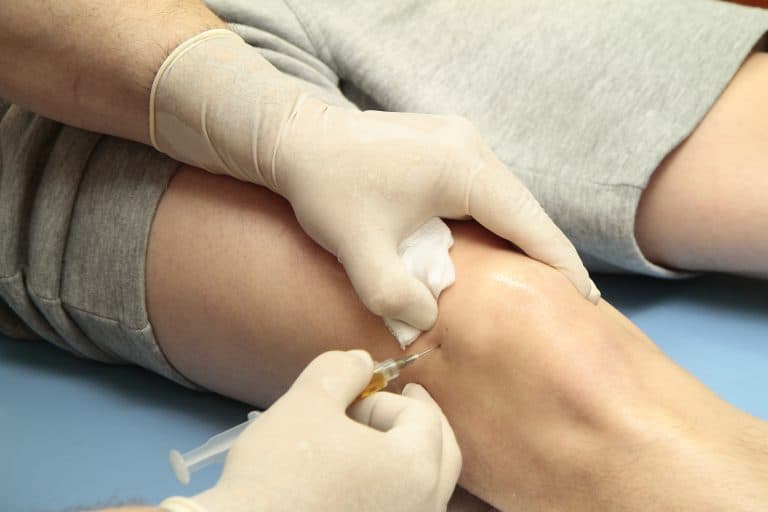
The procedure itself is minimally invasive, usually performed through arthroscopy—a keyhole surgery technique. After cleaning and preparing the damaged cartilage site, the surgeon injects ChondroFiller as a liquid which then solidifies into a gel, filling the defect and bonding to the surrounding tissue.
Delivery technique matters: surgeons use specialised tools to place the scaffold precisely, since “the efficiency of the release depends on the needle tip being very close to the lesion” (Perez-Carro et al., 2021). Getting this right improves chances of successful repair.
Recovery typically begins with protecting the joint from excessive weight-bearing for 4 to 6 weeks, then gradually rebuilding strength and mobility over several months. Full integration of the new cartilage may take one to two years. Throughout, patients receive tailored physiotherapy and monitoring to support their progress.
The London Cartilage Clinic prides itself on providing such comprehensive, evidence-based care within a supportive environment.
Conclusion: Making Informed Choices About Cartilage Repair
ChondroFiller is a scientifically supported innovation that uses a cell-free collagen scaffold to encourage the body’s own cartilage repair. Its success depends on careful patient selection, precise surgical technique, and a comprehensive rehabilitation programme—all overseen by experienced specialists like Professor Paul Lee.
While it is no miracle cure, patients informed by evidence can approach treatment with realistic expectations and greater confidence. Seeking advice from qualified orthopaedic professionals is essential to determining if ChondroFiller is appropriate and how best to use it within a personalised care plan.
For individual medical advice and treatment decisions, always consult a qualified healthcare professional.
References
Schneider, U. (2016). Controlled, randomized multicenter study to compare compatibility and safety of ChondroFiller liquid (cell free 2-component collagen gel) with microfracturing of patients with focal cartilage defects of the knee joint.
De Lucas Villarrubi, J. C., Méndez Alonso, M. Á., Sanz Pérez, M. I., Trell Lesmes, F., & Panadero Tapia, A. (2021). Acellular Matrix-Induced Chondrogenesis Technique Improves the Results of Chondral Lesions Associated With Femoroacetabular Impingement.
Perez-Carro, L., Mendoza Alejo, P. R., Gutierrez Castanedo, G., Menendez Solana, G., Fernandez Divar, J. A., Galindo Rubin, P., & Alfonso Fernandez, A. (2021). Hip Chondral Defects: Arthroscopic Treatment With the Needle and Curette Technique and ChondroFiller.
Frequently Asked Questions
- ChondroFiller is a liquid collagen scaffold, not a stem cell or hyaluronic acid injection. It supports new cartilage growth by providing a framework for the body’s own repair cells, making it unique among cartilage repair options.
- Patients with isolated cartilage defects, without widespread arthritis or joint deformity, and who have not responded to conservative treatments, may be suitable candidates. Professor Paul Lee’s expert evaluation ensures tailored treatment plans for eligible individuals.
- Professor Paul Lee is a renowned cartilage expert, regional surgical ambassador, and advisor to the Royal College of Surgeons of Edinburgh. His experience ensures patients benefit from advanced techniques and evidence-based practices at the London Cartilage Clinic.
- Precise delivery of ChondroFiller is essential for effective cartilage repair. Professor Lee’s surgical skill and use of minimally invasive techniques significantly increase the chances of a successful result, providing patients reassurance and optimal outcomes.
- The London Cartilage Clinic provides comprehensive, evidence-based care, including individual assessment, expert surgery by Professor Lee, and tailored rehabilitation. Patients receive ongoing support and monitoring aimed at achieving the best possible recovery and joint function.
Legal & Medical Disclaimer
This article is written by an independent contributor and reflects their own views and experience, not necessarily those of London Cartilage Clinic. It is provided for general information and education only and does not constitute medical advice, diagnosis, or treatment.
Always seek personalised advice from a qualified healthcare professional before making decisions about your health. London Cartilage Clinic accepts no responsibility for errors, omissions, third-party content, or any loss, damage, or injury arising from reliance on this material.
If you believe this article contains inaccurate or infringing content, please contact us at [email protected].
London Cartilage Clinic
Modern treatments, designed for lasting knee outcomes
Every treatment plan is selected to help you return to the quality of life you deserve. Our team combines up-to-date techniques with consultant-led decision making across cartilage repair, regeneration and replacement.
What your journey can look like
Step 01
Consultant-Led Assessment
Symptoms, imaging and goals reviewed in one structured appointment.
Step 02
Personalised Treatment Plan
A clear route chosen from repair, regeneration or replacement options.
Step 03
Precision Delivery
Modern techniques and specialist equipment matched to your diagnosis.
Step 04
Long-Term Knee Health
Follow-up guidance focused on durable function and quality of life.
Will the Arthrosamid work for me
PAAG-8+ Questionnaire
A bright, structured entry point for patients exploring Arthrosamid. The questionnaire helps frame suitability, expectations, and 24-month clinical benefit discussion before a fuller consultant-led review.
Designed for shared decision-making. It does not replace specialist consultation, examination, imaging review, or formal medical advice.